
Outdoor Jobs: 5 Outdoor Industry Careers That Benefit from Wilderness Medicine Training
Whether you’re looking for seasonal work or a long-term career, outdoor jobs offer opportunities to turn your passion for adventure into meaningful work. From whitewater rafting guides and outdoor educators to ski patrollers and search and rescue professionals, the outdoor industry employs thousands of people in rewarding roles that combine technical skills, leadership, and a love of the outdoors.
Courses like Wilderness First Aid (WFA), Advanced Wilderness First Aid (AWFA), Wilderness First Responder (WFR), and Wilderness EMT (WEMT) teach outdoor professionals how to assess injuries, make sound decisions in remote environments, and provide patient care until evacuation or advanced medical help is available.
If you’re interested in building a career in the outdoors, earning one of these wilderness medicine certifications can help you stand out to employers while giving you the confidence to respond when it matters most.
Why Wilderness Medicine Matters in Outdoor Industry Jobs
Unlike many traditional workplaces, outdoor environments introduce unique challenges. Cell service may be unreliable, weather conditions can change quickly, and evacuation to definitive medical care may take hours instead of minutes. Outdoor professionals are expected to make informed decisions under pressure while keeping participants safe.
Because of these factors, wilderness medicine training focuses on much more than first aid. Students learn how to perform comprehensive patient assessments, monitor changing conditions, improvise care using limited equipment, and determine when evacuation is necessary. These skills become invaluable when working in remote environments where professional medical resources aren’t immediately available.
For employers, hiring guides and instructors with wilderness medical training helps reduce risk while improving guest safety. For job seekers, these certifications demonstrate professionalism, preparedness, and leadership qualities that many employers actively seek when hiring for outdoor industry jobs.
Whether your goal is to become a river guide, outdoor educator, expedition leader, or ski patroller, wilderness medicine certification is often one of the first steps toward building a successful career in the outdoors.
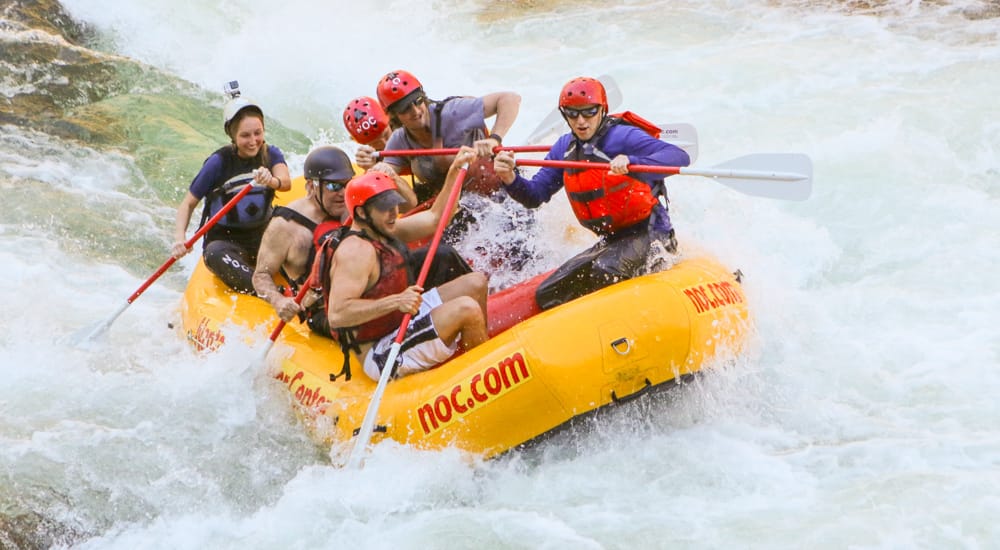
1. Whitewater Rafting Guide
River guiding is one of the most recognizable and rewarding outdoor jobs. Professional guides spend their days navigating rivers, teaching paddling techniques, reading rapids, and creating memorable experiences for guests from around the world.
Behind the excitement, however, guiding requires strong judgment and risk management. Guides are responsible for recognizing hazards, preventing accidents, and responding quickly if someone is injured or becomes ill on the river. Because many rafting trips take place in remote canyons or protected wilderness areas, professional medical care isn’t always immediately available.
Many rafting outfitters require guides to earn at least a Wilderness First Aid (WFA) certification before guiding commercial trips. Outfitters operating on more remote rivers often prefer or require guides to hold a Wilderness First Responder (WFR) certification, particularly for trip leaders or guides leading multi-day expeditions.
In addition to improving your resume, wilderness medicine training helps you become a more confident guide by teaching patient assessment, evacuation planning, and emergency decision-making. Guests also appreciate knowing they’re in capable hands, making these certifications valuable both professionally and personally.
For anyone hoping to build a long-term career river guiding, a WFR is widely recognized as one of the industry’s most valuable certifications.

2. Outdoor Adventure Guide
The outdoor recreation industry includes much more than rafting. Adventure guides lead hiking trips, backpacking expeditions, rock climbing courses, sea kayaking trips, mountain biking tours, canoe expeditions, and countless other outdoor experiences. These guides often spend days at a time with clients in remote environments where self-sufficiency is essential. In addition to teaching technical skills, they manage group dynamics, monitor weather conditions, navigate unfamiliar terrain, and respond to unexpected medical situations.
Because of these responsibilities, many employers consider a Wilderness First Responder certification to be the professional standard for guide positions. A WFR prepares guides to evaluate injuries, monitor patients over extended periods, and make informed evacuation decisions while balancing the needs of the entire group.
Those who are newer to the outdoor industry often begin with a Wilderness First Aid or Advanced Wilderness First Aid certification before advancing to a WFR through a bridge course as their career progresses. Depending on the type of position, many guiding operations also require discipline-specific education. For example, climbing outfits may ask guides to take courses such as the AMGA’s Single- or Multi-Pitch Instructor programs.
Beyond technical knowledge, wilderness medicine courses help develop critical thinking, communication, and leadership skills that apply to nearly every outdoor profession. These abilities make guides more effective leaders and more attractive candidates for a wide variety of outdoor industry jobs.
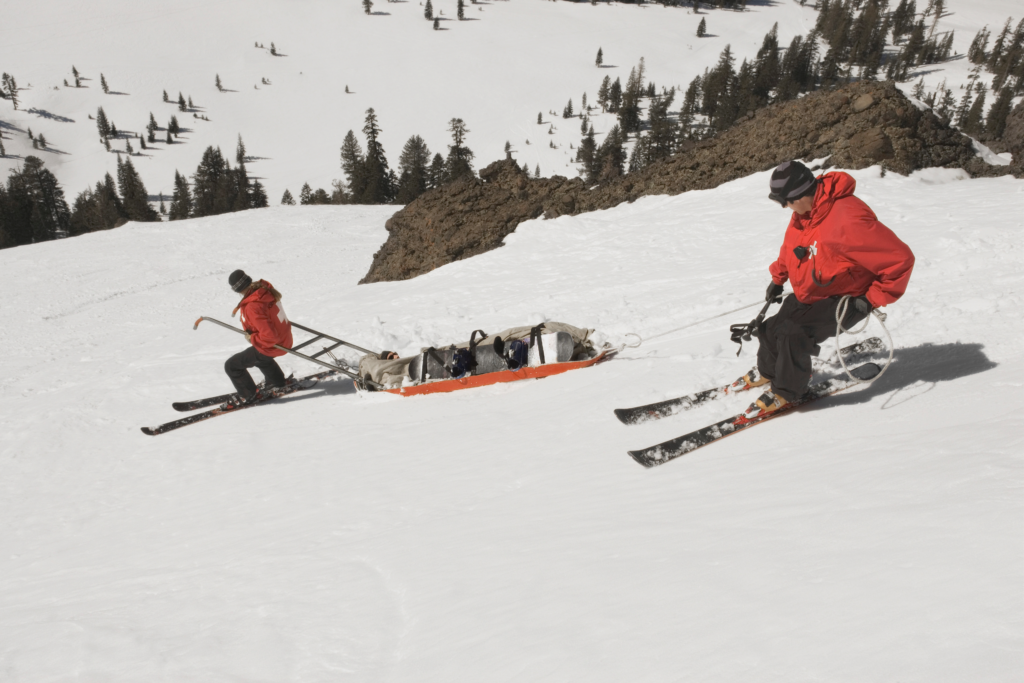
3. Ski Patrol
For people who love winter sports, ski patrol offers a rewarding outdoor industry career. Ski patrollers help keep resorts safe by responding to injuries, assisting with mountain rescues, managing hazards, and transporting injured guests to higher levels of care.
No two days patrolling are exactly alike. One shift might involve treating a minor wrist injury, while the next could require stabilizing a patient with multiple traumatic injuries before they can be evacuated off the mountain. Patrollers often work in difficult weather conditions where snow, steep terrain, and limited access make patient care challenging.
Because of these demands, many ski patrol organizations require advanced medical training. A Wilderness First Responder (WFR) provides an excellent foundation for patient assessment, prolonged care, and decision-making in remote environments. Those interested in taking their medical training even further may choose to earn a Wilderness EMT (WEMT) certification, which combines traditional EMT education with wilderness medicine principles.
Whether you plan to patrol at a local ski area or eventually work in remote alpine environments, wilderness medicine training helps prepare you for the unpredictable nature of mountain emergencies.
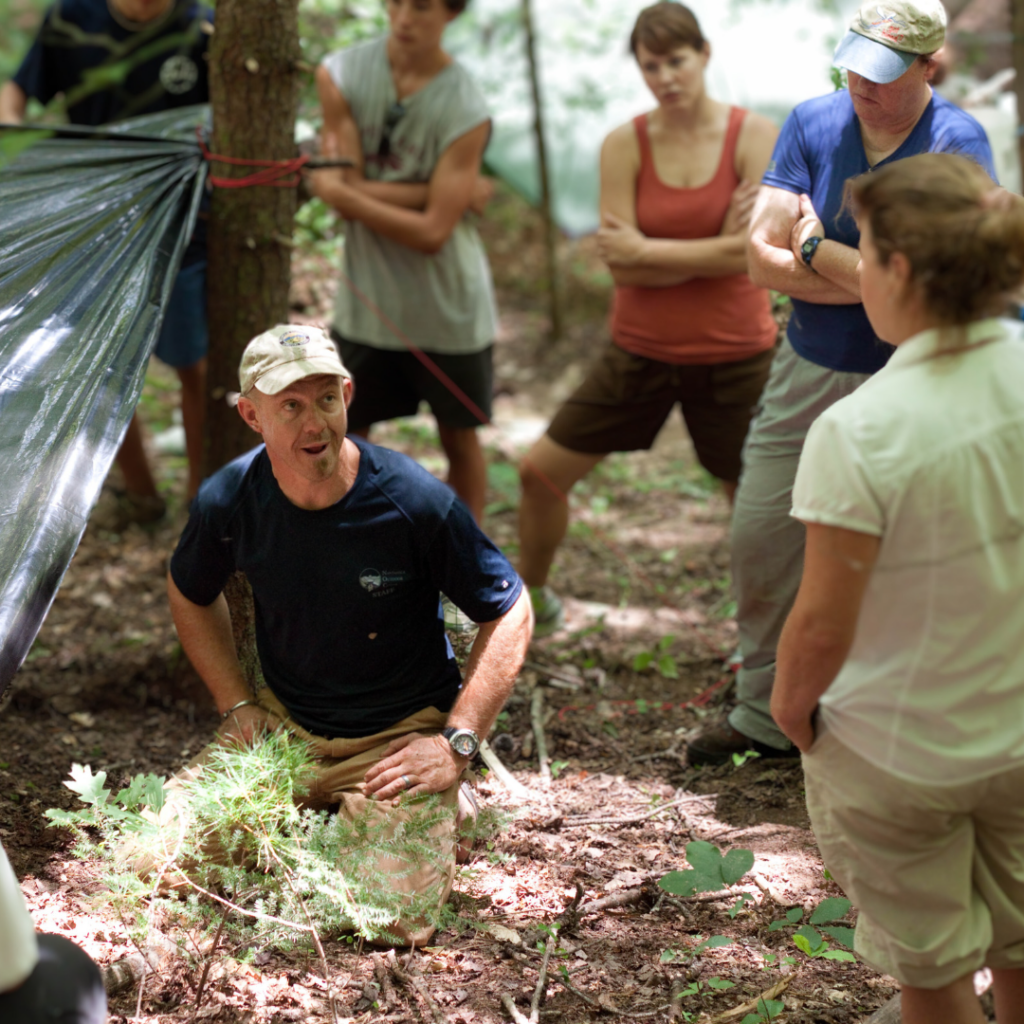
4. Outdoor Education and Summer Camps
Outdoor education programs, residential camps, wilderness therapy organizations, and environmental education centers hire thousands of seasonal employees every year. These positions are some of the most accessible outdoor jobs for students, recent graduates, and anyone looking to gain professional outdoor experience.
Camp counselors, outdoor instructors, and trip leaders wear many hats throughout the day. They teach outdoor skills, supervise activities, mentor participants, and create safe learning environments while spending long hours outside. Many camps operate in remote settings where participants hike, climb, paddle, and camp miles from the nearest road. Staff members are often the first people to respond if a participant experiences an illness or injury, making wilderness medicine training a highly desirable qualification.
For many seasonal positions, a Wilderness First Aid (WFA) certification is enough to satisfy employer requirements while providing practical emergency care skills. Professionals who regularly lead overnight trips or extended expeditions often benefit from an Advanced Wilderness First Aid (AWFA) or Wilderness First Responder (WFR) certification, which includes more in-depth patient assessment and treatment techniques. SOLO Southeast also offers a Wilderness Survival Instructor course to help students solidify survival skills and learn teaching techniques.
In addition to improving your qualifications, these certifications help build confidence. Knowing how to recognize serious medical conditions, communicate with emergency responders, and care for patients in remote environments allows instructors to focus on creating exceptional experiences for participants.
Many outdoor professionals begin their careers as camp counselors or outdoor educators before moving into guide services, park management, or expedition leadership, making these positions an excellent starting point for a long-term career in the outdoor industry.
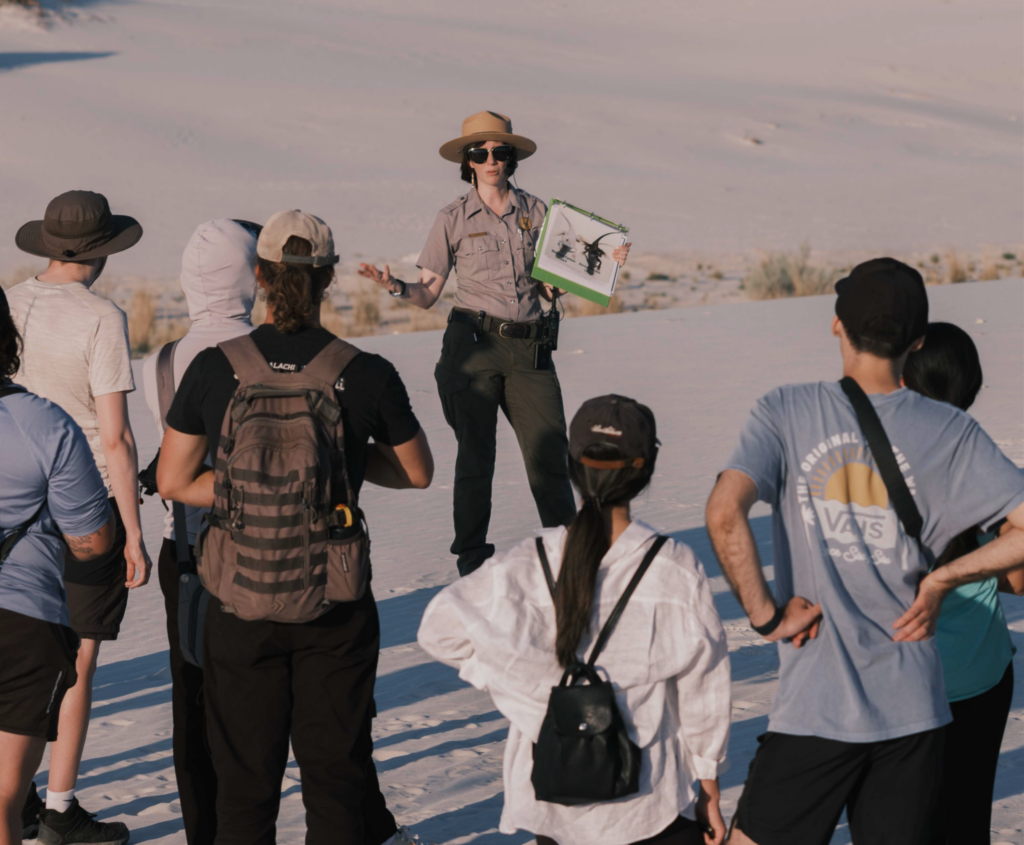
5. Search and Rescue, Park Rangers, and Conservation Careers
Some of the most competitive outdoor industry jobs involve protecting public lands and assisting people in need. Search and rescue teams, park rangers, conservation officers, and wildland emergency personnel frequently work in remote environments where wilderness medicine skills are invaluable.
Search and rescue teams respond to lost hikers, injured climbers, missing boaters, natural disasters, and backcountry emergencies. Team members often hike long distances while carrying rescue equipment before providing patient care and coordinating evacuations through difficult terrain.
Park rangers and conservation professionals may also encounter visitors experiencing medical emergencies, heat illness, wildlife encounters, falls, or other incidents in remote parks and recreation areas. Having the ability to assess a patient, stabilize injuries, and determine the best course of action can make a significant difference before emergency medical services arrive.
A Wilderness First Responder certification provides the knowledge needed to evaluate patients, manage medical emergencies, and make sound evacuation decisions. Professionals pursuing careers that combine emergency medicine with outdoor work often choose a Wilderness EMT, which prepares them for more advanced patient care in challenging environments.
These certifications can also complement careers in firefighting, forestry, environmental science, and public safety, where employees regularly work far from traditional medical resources.
Which Wilderness Medicine Certification Is Right for You?
Choosing the right certification depends on your experience, career goals, and the type of outdoor jobs you’re pursuing.
| Certification | Best For | Typical Career Paths |
|---|---|---|
| Wilderness First Aid (WFA) | Beginners, recreational adventurers, camp staff | Summer camps, seasonal outdoor programs, volunteer organizations |
| Advanced Wilderness First Aid (AWFA) | Outdoor educators and developing professionals | Camp leadership, outdoor schools, multi-day programs |
| Wilderness First Responder (WFR) | Professional outdoor leaders | River guides, backpacking guides, climbing guides, expedition leaders, ski patrol |
| Wilderness EMT (WEMT) | Advanced medical professionals | Search and rescue, EMS, mountain rescue, wilderness medicine, emergency response |
While each certification builds upon the previous one, they all share the same goal: preparing students to respond confidently to remote medical emergencies. Many outdoor professionals continue advancing their training through bridge courses to meet the demands of increasingly technical leadership positions.
Whether you’re looking for your first seasonal guide job or planning a lifelong career in outdoor recreation, investing in wilderness medicine education demonstrates your commitment to safety, professionalism, and leadership. Those qualities are valued across nearly every corner of the outdoor industry and can help set you apart when applying for competitive outdoor industry jobs.
Start Your Career in the Outdoor Industry with SOLO Southeast
Whether you dream of guiding whitewater rafting trips, teaching outdoor education programs, joining ski patrol, or working in search and rescue, wilderness medicine training is an investment in both your career and your confidence.
At SOLO Southeast, you’ll gain more than a certification. You’ll develop the decision-making, leadership, and patient care skills needed to respond effectively in remote environments where every decision matters. Our nationally recognized instructors combine classroom learning with realistic, hands-on scenarios that prepare students for the challenges they’ll encounter in the field.
From your first Wilderness First Aid (WFA) course to advanced Wilderness First Responder (WFR) and Wilderness EMT (WEMT) training, SOLO Southeast offers courses designed for aspiring outdoor professionals, experienced guides, educators, and emergency responders alike.
If you’re ready to pursue exciting outdoor jobs or build a long-term career in the outdoor industry, explore our upcoming wilderness medicine courses and take the next step toward becoming a safer, more confident outdoor leader.
Frequently Asked Questions About Outdoor Jobs and Wilderness Medicine Certifications
What are the best outdoor jobs?
The best outdoor jobs depend on your interests, experience, and lifestyle. Popular careers include whitewater rafting guide, backpacking guide, climbing instructor, outdoor educator, ski patroller, park ranger, search and rescue technician, conservation officer, and wilderness EMT. Many of these roles allow you to work in beautiful natural settings while helping others safely enjoy the outdoors.
Do you need a college degree for outdoor industry jobs?
Not always. While some careers, such as park management or environmental science, may require a college degree, many outdoor industry jobs focus more on experience, technical skills, and professional certifications. Employers often value leadership experience, outdoor skills, and wilderness medicine certifications alongside formal education.
What certifications help you get outdoor jobs?
Several certifications can strengthen your resume, but wilderness medicine certifications are among the most widely recognized across the outdoor recreation industry.
- Wilderness First Aid (WFA): Ideal for camp staff, volunteers, and entry-level outdoor professionals.
- Advanced Wilderness First Aid (AWFA): Expands your patient assessment and treatment skills for more remote environments.
- Wilderness First Responder (WFR): Considered the industry standard for many professional guide and outdoor leadership positions.
- Wilderness EMT (WEMT): Combines EMT training with wilderness medicine for careers in rescue, emergency response, and advanced outdoor leadership.
Depending on your career path, additional certifications such as Swiftwater Rescue, Leave No Trace Trainer, avalanche education, or technical climbing certifications may also be beneficial.
Is a Wilderness First Responder certification worth it?
For anyone pursuing professional outdoor industry jobs, the answer is often yes. A WFR certification demonstrates that you can assess injuries, care for patients in remote environments, and make informed evacuation decisions. Many guiding companies, outdoor schools, and expedition organizations either require or strongly prefer WFR-certified applicants.
Beyond improving your employment opportunities, the skills you learn can increase your confidence as a leader and help you respond effectively during real emergencies.
What’s the difference between WFA, AWFA, WFR, and WEMT?
The primary difference is the depth of training.
- A Wilderness First Aid (WFA) course introduces fundamental wilderness first aid skills and is appropriate for recreational adventurers and many seasonal outdoor jobs.
- Advanced Wilderness First Aid (AWFA) builds on those basics with more comprehensive patient assessment and treatment techniques, making it well suited for outdoor educators and professionals working in more remote settings.
- A Wilderness First Responder (WFR) provides significantly more in-depth medical education and is widely recognized as the professional standard for guides, instructors, and expedition leaders.
- A Wilderness EMT (WEMT) combines traditional Emergency Medical Technician education with wilderness medicine principles, preparing students for advanced patient care in remote environments.
Do outdoor jobs pay well?
Compensation varies depending on the position, experience level, employer, and season. Entry-level outdoor jobs are often seasonal, but many professionals build rewarding long-term careers by advancing into leadership, management, instruction, or emergency response roles.
Many people are drawn to outdoor careers because they value spending their days outside, developing technical skills, and helping others experience the outdoors safely. As your certifications and experience grow, additional career opportunities often become available.
How do I start a career in the outdoor industry?
One of the best ways to begin is by gaining practical experience while building professional certifications. Seasonal positions at summer camps, rafting companies, outdoor schools, and adventure programs provide valuable experience and help you develop leadership skills.
Adding a wilderness medicine certification such as a WFA or WFR to your resume can make you a more competitive candidate and prepare you for the responsibilities that come with leading groups in remote environments. Networking with outdoor organizations, volunteering, and continuing your education can also help open doors as you build your career.
Where can I earn a wilderness medicine certification?
SOLO Southeast offers nationally recognized Wilderness First Aid (WFA), Advanced Wilderness First Aid (AWFA), Wilderness First Responder (WFR), and Wilderness EMT (WEMT) courses in the mountains of Western North Carolina.
Students receive hands-on instruction from experienced educators and practice realistic scenarios that prepare them for emergencies in backcountry and wilderness settings. Whether you’re pursuing your first outdoor job or advancing your career in the outdoor industry, SOLO Southeast courses provide practical skills that employers recognize and value.